
Youth Mental Health
Overview
In this Curriculum Jams process, the group focused on materials that support social-emotional learning and youth mental health education. Our goal was to identify resources that could support mental well-being among youth and the adults who support them.
Scope
Early on, the planning team and advisory group identified a need for materials to address social-emotional learning and youth mental health from several perspectives, reviewing content geared toward both youth and their adult mentors.
Resources for youth in grades 3-5
For this age group, we focused primarily on social-emotional learning resources that support wellness concepts, self-awareness and taking care of self, and spatial awareness and understanding others.
Resources for youth in grades 6-12
For this age group, we focused primarily on body-based approaches to mental health, healthy relationships, and emotional resilience. Recommended resources should define foundational concepts, develop understanding of aspects of life that affect emotional well-being, build body awareness and regulation, support youth in better understanding themselves and their resilience, and help build essential skills for healthy relationships with others.
Resources for adults who work with youth
In this area, we focused primarily on the skills, knowledge, and awareness adult supporters need to work with youth effectively. Recommended resources for adults should begin by building self-awareness, then help them honor youth contributions and capabilities, understand youth perspectives, and develop skills for authentic connection and relationship-building.
How were these recommendations developed?
1 focus group involving 10 individuals with lived experience and/or specialized background related to youth mental health developed the basis for review criteria.
12 content sub-themes and 6 delivery sub-themes formed the basis for criteria the group applied to a curriculum search process. The criteria were used to pre-screen and filter identified curriculum resources.
Out of 16 teaching resources reviewed, 8 were selected for recommendation.
11 adults and 5 youth/young adults with lived experience and/or specialized background in youth mental health made the following curriculum recommendations.
Deep gratitude to all the youth, community adults, and educators who served as collaborators, focus group participants, and reviewers!
Resources
Based on the criteria above, the reviewers recommended the following resources:
Educator Toolbox
Changing Perspectives Now Educator Portal
Changing Perspectives Now Educator Portal
Authors: Varies
Description: Changing Perspectives Now Educator Portal is an online, subscription-based database that includes 300+ resources on social-emotional learning, disabilities, and inclusion, including books, videos, activities, and lesson plans. The content addresses all five core social and emotional competencies—self-awareness, self-management, responsible decision-making, relationship skills, and social awareness—at each grade level.
Audience: Adults who work with youth
Recommendations: The strengths of this resource related to social-emotional learning are:
- the affordable, flexible, and well-organized platform
- inclusion of excellent resources with direct relevance to Extension programming
- inclusion of learning objectives with each activity and discussion guide
- scoping and sequencing that allows lessons to build on one another
- ease of transfer between users
- elements of language accessibility for Spanish-speaking youth
Users should note that internet-based resources may create challenges where there are broadband accessibility issues.
Mindful Mechanics
Mindful Mechanics
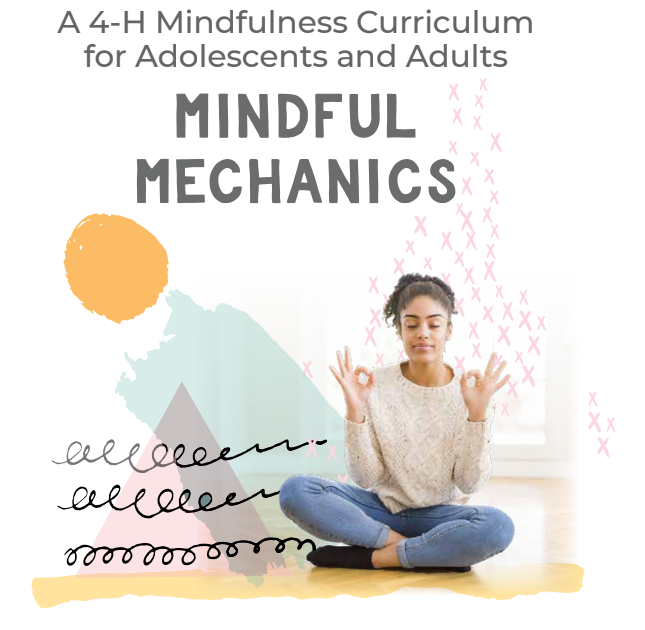
Authors: Anne M. Iaccopucci, MA; Katherine E. Soule, PhD.; Kendra M. Lewis, PhD., CFLE
Description: Mindful Mechanics is a print curriculum that introduces teens and adult leaders to some basic concepts in mindfulness that include mindful eating, affirmations (emotional support or encouragement), identification and management of emotions, being present in the current moment, and yoga. Participating teens and adults could lead the Mindful Me program with younger children.
Audience: Adults and teens
Recommendations: Mindful Mechanics provides structured lessons with clear directions. It’s versatile for a variety of learners and settings. The resources don’t directly address trauma-informed approaches to mindfulness or supports for neurodiverse youth. Mindful Me could be adapted by adding story examples showing more diverse cultures and abilities. Both could be supported by giving consideration for teaching mindfulness to neurodivergent youth (e.g., fidgets, calming resources, increased movement, stimulation).
We Can Work It Out: Conflict Resolution for Young People
We Can Work It Out: Conflict Resolution for Young People
Authors: Clare Heaton and Maureen Lynch
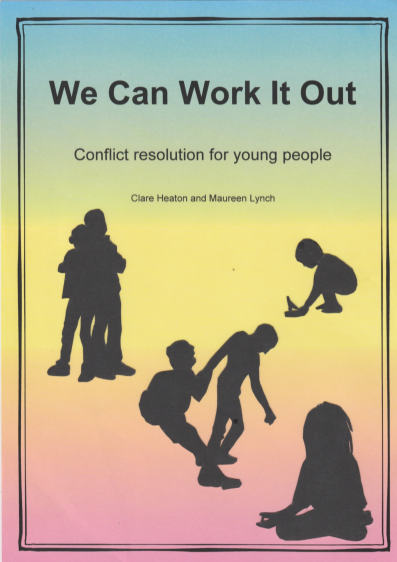
Description: We Can Work It Out: Conflict resolution for young people was created in 1994 and continues to get support and distribution through the Conflict Resolution Network. The curriculum is designed with 9 sessions to teach the 12 skills of conflict resolution, including win-wins, empathy, cooperative power, negotiation, mediation, and more.
Audience: Youth in grades 2-8
Recommendations: While the context within which this resource was developed has changed dramatically, the core skills remain useful and needed, perhaps now more than ever. It provides invaluable background information for youth and adults alike. Reviewers recommend that activities from this curriculum could be adapted and used individually to meet specific programming needs. Some adaptations could be to:
- Explore how these skills may operate in social media contexts
- Update the language to describe and address the more modern context
- Translate into more languages, offer notes about sensory issues, add videos and photos
The Wellness Compass
Wellness Compass Workbook for Adults
Authors: Holly Hughes Stoner, LMFT and D. Scott Stoner, LMFT
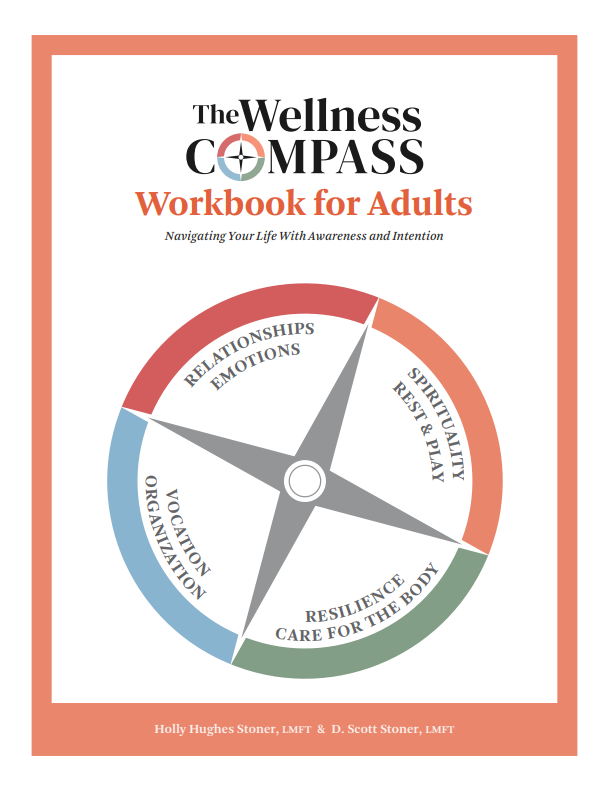
Description: The Wellness Compass Workbook for Adults guides adults through a journey of growth using evidence-based tools and strategies. The guide looks at 8 areas of well-being. It can be used as a self-guided, self-paced resource or as part of a facilitated wellness circle. Growth-focused guides are also available for elementary-age and teen youth.
Audience: Adults
Recommendations: The Wellness Compass Workbook is comprehensive in looking at all parts of a person’s well-being and includes self-assessments, agency in what to focus on, and opportunities to set individual goals. It uses a strong, growth-focused, therapeutic research base. In the context of positive youth development programming, reviewers recommend this resource as a tool adults can use to address their own growth and well-being. By working on ourselves, we, as adults, can better support young people’s healthy development.
Youth Mental Health First Aid

Youth Mental Health First Aid
Authors: National Council for Mental Well-Being
Description: Youth Mental Health First Aid is an evidence-based, day-long training for adults to learn how to talk to youth ages 12-18 about mental health and substance abuse and how to help when needed. The training covers how to understand struggles and support youth, break the stigma, get youth talking, show up, and help youth get care.
Audience: Adults who work with youth
Recommendation: Currently in use through Extension in many states across the country, reviewers recommend Youth Mental Health First Aid as an important way to ground and inform adults who work with youth, preparing them to support youth and connect them with help services. There are noted challenges with implementing this training in Extension settings as well as strategies that support this important work.
Learn more about Mental Health First Aid trainings and resources offered in Wisconsin.